
Nervous System Parts: Brain, Spinal Cord, and Nerves Explained
Ever wonder what makes you think, move, and feel all at once? Your nervous system is your body's command center. Every thought, reflex, and heartbeat runs through this intricate network. Let's break down how it's organized.
1. Brain
Sitting protected inside your skull, the brain has three main parts:
-Cerebrum: The largest section. Handles thinking, memory, learning, emotions, and decision-making. Your personality lives here.
-Cerebellum: Located at the back. Controls balance, posture, and coordinated movement. Walking, typing, catching a ball— that's cerebellum work.
-Brainstem: Connects brain to spinal cord. Manages automatic functions: breathing, heartbeat, digestion, sleep.
Fun Fact: Your brain has around 86 billion neurons and generates enough electricity to power a small LED!
2. Spinal Cord
Running down your back inside the vertebral column, this is your body's information highway.
-Sensory nerves: Bring information from your skin and organs to the brain, letting you feel temperature, pain, and touch.
-Motor nerves: Send instructions from the brain to muscles, controlling movement and reflexes.
Quick Insight: Even minor spinal cord injuries can disrupt signals, affecting movement, sensation, or coordination.
3. Peripheral Nerves
These nerves branch out from your spinal cord and reach every corner of your body: fingertips, toes, organs, skin.
Think of them as the local delivery network after signals leave the main highway.
Sensory Nerves
Detect what's happening around and inside you:
Heat and cold
Pressure and vibration
Pain signals
Internal organ status
Motor Nerves
Deliver precise movement commands:
Muscle contractions
Fine motor movements
Strength and coordination
Autonomic Nerves
Handle everything automatic:
Heart rate adjustments
Digestive processes
Breathing regulation
Blood pressure control
Pupil dilation
Quick Insight: Nerve damage may cause tingling, weakness, or numbness, signaling that your body needs attention.
Why It Matters
Your nervous system isn't just anatomy, it's the foundation of everything you experience.
A healthy nervous system supports:
Sharp reflexes and quick reactions
Smooth coordination and balance
Learning, memory, and focus
Emotional regulation
Overall energy and vitality
When you understand how these parts connect, you start appreciating why protecting your brain, spine, and nerves matters for long-term health.
Want to learn how these parts actually communicate?
Read next: [How Your Nervous System Works →]
Curious about what can go wrong?
Explore: [Nervous System Risks to Know About →]
YOU MIGHT LIKE

FROM THE LAB
“The bacteria in your gut don’t just digest your food, they write chemical messages that decide your appetite, your mood, and even your dreams.”
— Harvard Medical School —
SYSTEM OF THE WEEK
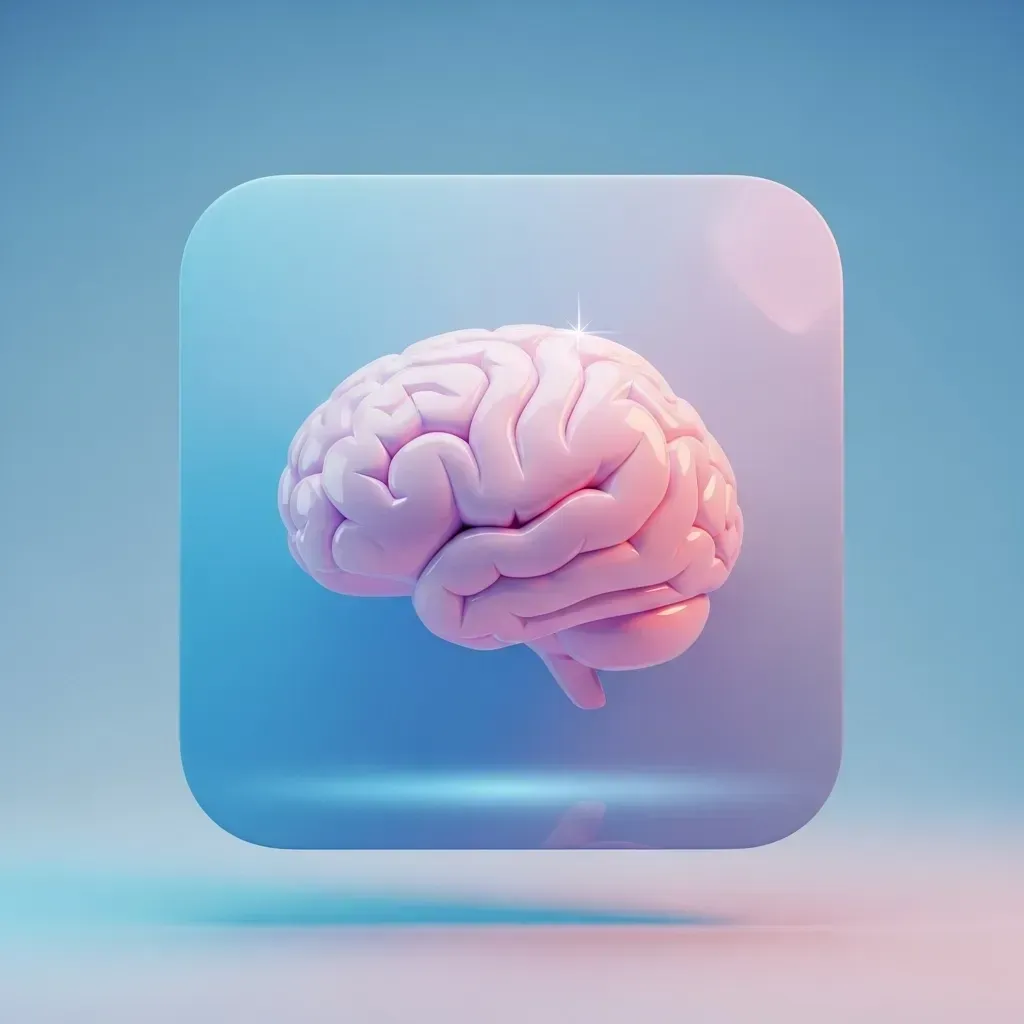
Your brain might be in your head, but your nerves feel the world first.
NEWSLETTER

“Science-backed health tips, straight to your inbox.”
Feel better. Move better. Live better.

Where Health Makes Sense
Explore how your body works. Stay updated on what matters. Make choices that count.
Navigating health info shouldn’t be a headache. At ZENOMHEALTH, we break down the science behind the headlines and review what's worth it regarding supplements. We do the deep dive research so you decide with clarity, giving you the confidence to make the right call for your body.
ZENOMHEALTH offers health insights for learning and inspiration. Always consult your healthcare provider regarding any medical concerns.
© 2026 ZENOMHEALTH. All rights reserved.